
The Guilt of Leaving Your Puppy Home Alone (And What Actually Helped)
You're sitting in the car. Engine running. You haven't reversed out of the driveway yet.
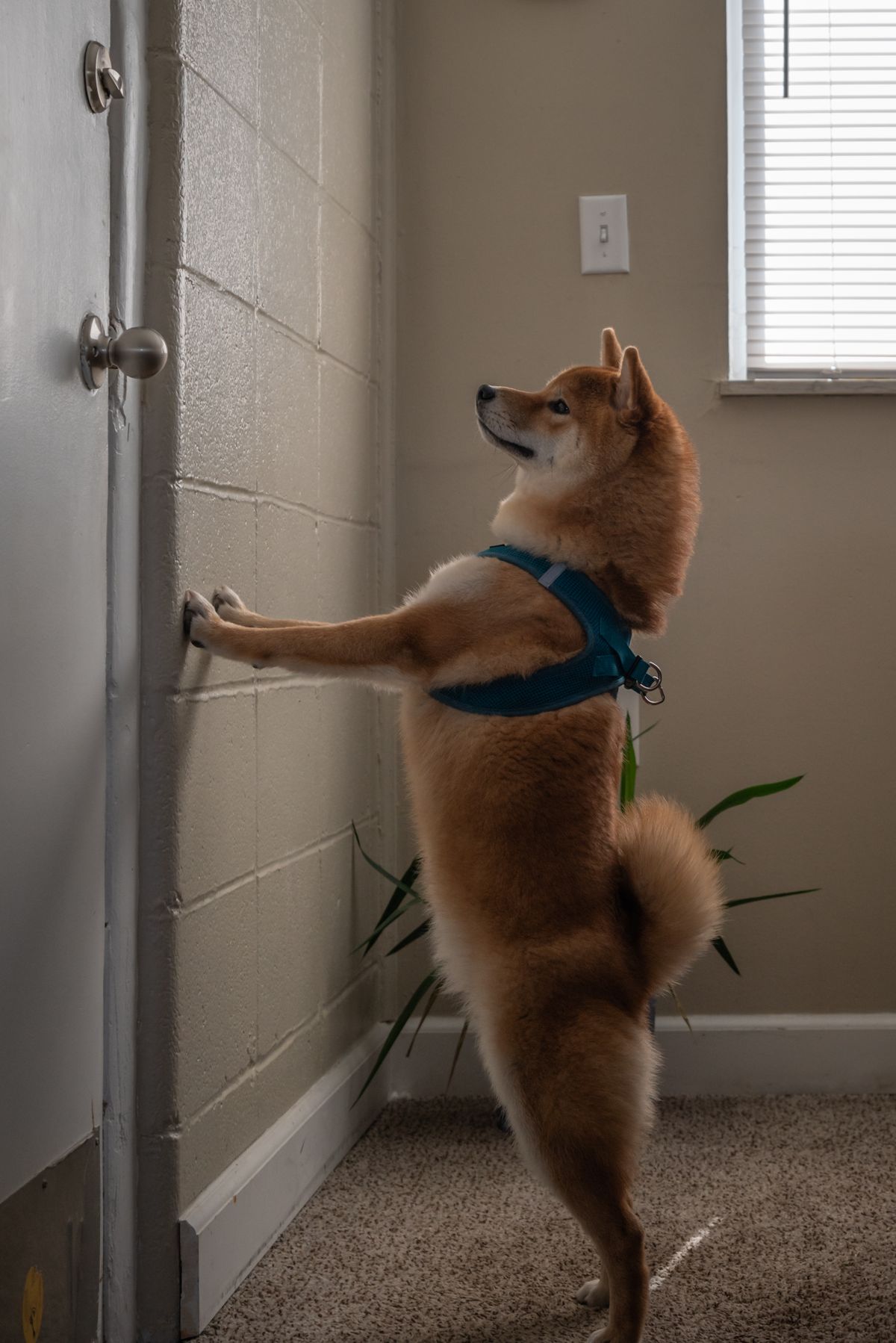
You're watching the camera on your phone. Your puppy is sitting at the door. Just... sitting there. Waiting.
You feel like the worst person alive.
Sound familiar? Yeah. Us too.
Nobody Warns You About This Part
Everyone tells you about the sleepless nights. The toilet training. The chewed-up shoes. That stuff is hard, but it's expected.
What nobody warns you about is the guilt.
The knot in your stomach when you pick up your keys. The way you stand at the door for way too long, saying "I'll be back, I promise" to a puppy who has no idea what that means. The 47 times you check the camera in the first hour.
And the worst part? You can't really talk about it without sounding ridiculous.
"I can't come to dinner, I feel bad leaving my puppy."
People who don't have puppies don't get it. They smile politely. They think you're being dramatic. But you know what you saw on that camera last Tuesday - the pacing, the whining, the sitting at the door - and it broke you a little bit.
Here's What We Learned (The Hard Way)
We've been through it. Here's what actually helped.
1. Short Separations Early - Even When It Feels Wrong
This one is counterintuitive. When your puppy is glued to you and you love them more than anything, the last thing you want to do is walk away from them on purpose.
But the experts are right on this one. Start with five minutes in another room. Then ten. Then twenty. Build up slowly. The goal isn't to abandon them - it's to teach them that you always come back.
The first few times are brutal. You'll hear them cry. You'll want to rush back in. But every time you return calmly - no big fuss, no dramatic reunion - they learn something: being alone isn't the end of the world.
2. Stop Making Exits a Big Deal
We used to do this thing where we'd crouch down, cup our puppy's face in our hands, and say something like "Mummy loves you so much, I'll be right back, you're going to be okay, I'm so sorry."
Turns out, that makes it worse. Way worse.
Your puppy reads your energy. If you're acting like leaving is a tragedy, they're going to believe it is one. The trainers all say the same thing - keep your exits boring. A casual "see ya later" and walk out. Same energy as grabbing something from the other room.
It feels cold. It isn't. It's actually kinder.
3. Give Them Something to Do
A bored puppy is an anxious puppy. Before you leave, set them up with something that keeps their brain busy. A Kong stuffed with peanut butter. A snuffle mat. A puzzle toy they have to work at.
The goal is to shift their association. "Door closes" shouldn't mean "I've been abandoned." It should mean "oh sick, that's when the good snacks come out."
This one took about a week to click for our pup. Now when we pick up the keys, she walks to her spot and waits for the Kong. No whining. No pacing. Just vibes.
4. Actually Watch What Happens When You Leave
Here's the thing that changed everything for us - and honestly, we wish someone had told us sooner.
Most puppies settle within 10 to 15 minutes of you leaving.
You don't know that, though. Because you're not there. All you have is the image of them sitting at the door as you walked out, and your brain fills in the rest with four hours of imagined suffering.
When we finally set up an indoor camera, we saw something we did not expect. Our puppy cried for about eight minutes. Then she sniffed around. Then she climbed onto the couch, curled into a ball, and slept for two hours straight.
Two. Hours.
While we were at brunch feeling like garbage, she was having the best nap of her life.
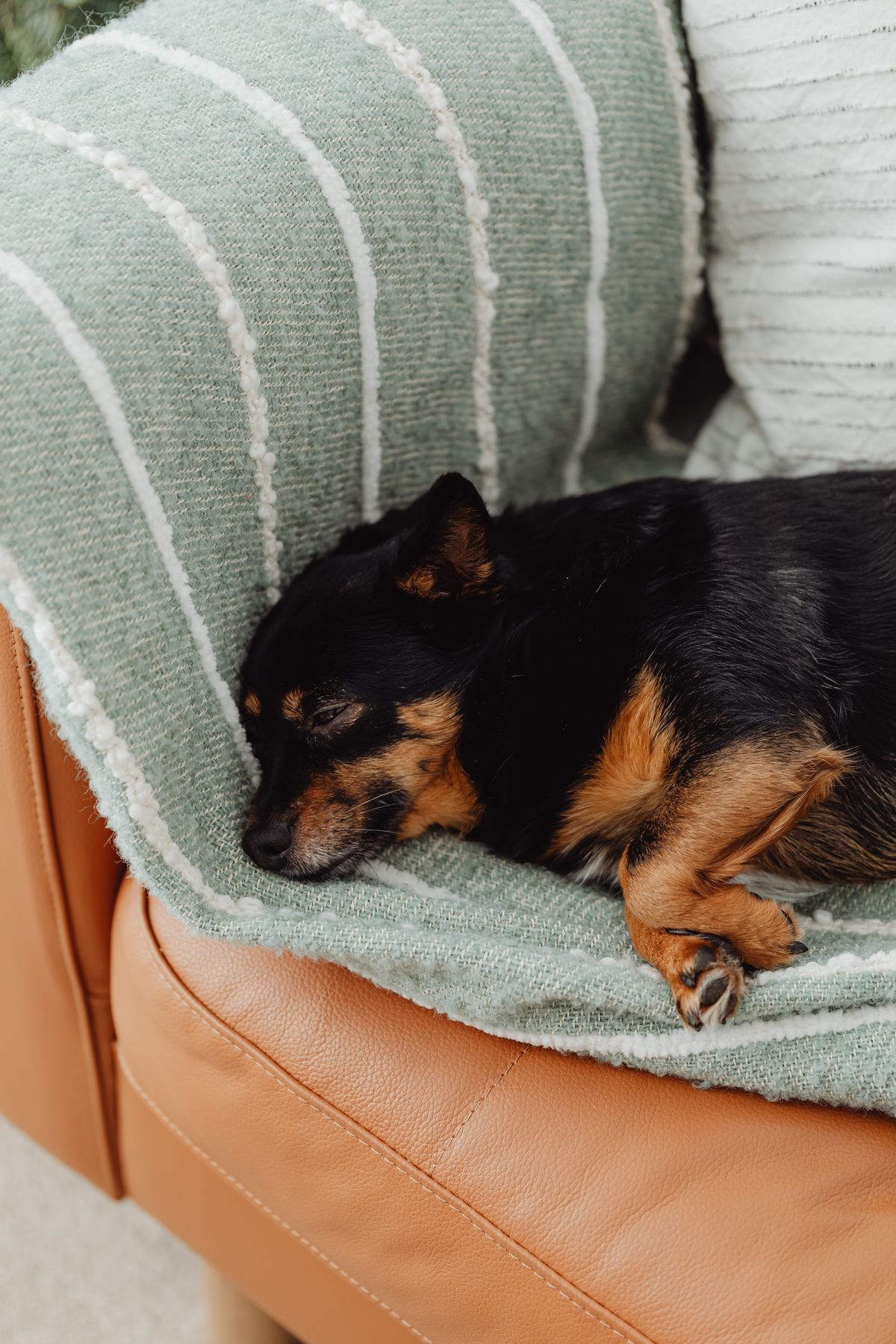
That moment - seeing her actually okay on the screen - was the first time we let ourselves breathe. The guilt didn't disappear overnight, but it cracked. Because now we had proof. Not a hunch, not a hope. Proof that she was fine.
5. Remind Yourself That Guilt Means You Care
If you didn't care, you wouldn't feel guilty. The fact that you're reading this article at all means you're already doing better than you think.
Bad puppy parents don't Google "am I a bad puppy parent" at midnight. They just don't think about it. You're thinking about it. That counts for more than you realise.
Your puppy doesn't need you to be there 24/7. They need you to come back calm, happy, and ready to give them your full attention when you are there. And they need you to teach them - gently, slowly - that being alone is safe.
It Gets Better. Genuinely.
We know that sounds like something people say when they don't know what else to say. But it's true.
The first time you leave the house and don't check the camera for an entire hour, you'll feel it. The first time you come home and your puppy is just chilling - not frantic, not stressed, just happy to see you in a normal way - you'll feel it.
It takes time. It takes consistency. And it takes being a bit easier on yourself.
You're not abandoning your puppy when you go to work, or grab coffee, or see your friends. You're teaching them that the world is safe, even when you're not in it. And that might be the most important thing you ever teach them.
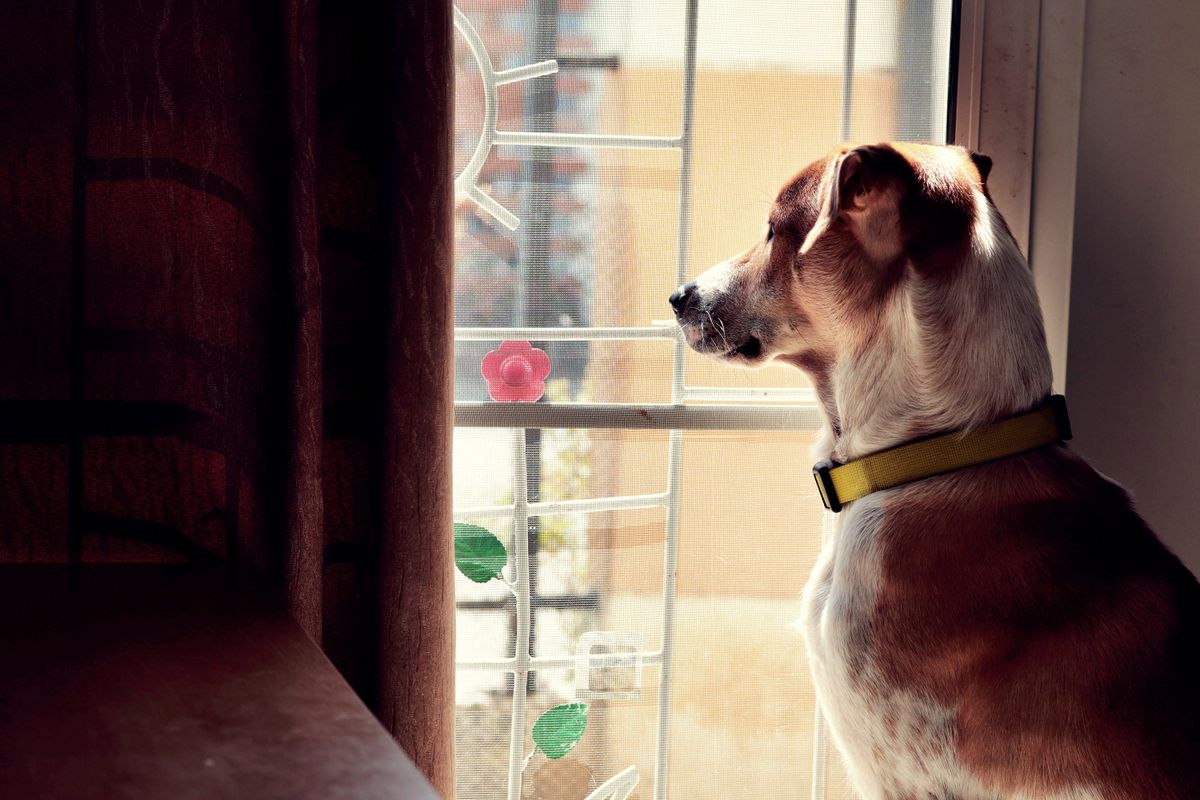
If you're in the thick of it right now - the guilt, the anxiety, the checking the camera every three minutes - just know that thousands of puppy parents are doing the exact same thing tonight. You're not dramatic. You're not crazy. You just love your dog.
And that's the whole point.
- Ylli, The Collar Spot Team